


Water damage in France – What to do?
Water damage is one of the most common claims in apartments and houses in France. In such a situation, what matters is not only a quick response but also taking the right steps, so as not to hinder the subsequent claims settlement process.
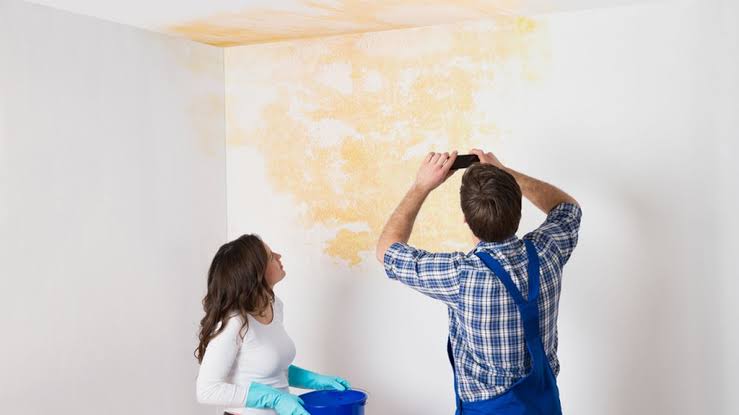
First and foremost, it is essential to stop the source of the leak and limit any further damage. Next, it is advisable to create thorough documentation — photographs of the damage, moisture, water stains and any destroyed elements.
The next step is to contact the neighbour and fill in the “constat amiable dégâts des eaux” (amicable water damage report), if the damage affects multiple properties. At the same time, the claim should be reported to the insurer — usually within 5 working days.
In practice, the question of the so-called “recherche de fuite” (leak detection) also arises very frequently, meaning the identification of the source of the leak. This is a crucial stage, particularly when the cause is not obvious (for example, a leak within a wall, in the plumbing system or between floors). Depending on the terms of the insurance policy, the costs of such diagnostics may be covered in full or in part. Therefore, before commissioning any work, it is worth checking the policy conditions or contacting the insurer.
Once the claim has been reported, the insurer may appoint an expert who will assess the situation on site. Their task is to establish the cause of the damage, the extent of the destruction and the cost of repairs. It is precisely on this basis that the compensation amount is determined.
And here is a very important rule: until the expert’s visit, no repair work should be carried out, such as painting, replacing elements or fully drying out the walls on one’s own.
It is of course possible to secure the property, limit the damage and ensure proper ventilation, but the traces of the water damage should not be removed before the assessment. Otherwise, the expert may not be able to accurately determine the scale of the damage, which could affect the compensation amount.
In practice, it sometimes happens that someone “tidies everything up” too quickly, and it later becomes difficult to prove the actual extent of the damage.
It is only after the inspection has been carried out and the cost estimate has been accepted that the actual repairs can proceed.
In summary, in the event of water damage, the order of actions is key: securing the situation, documentation, reporting the claim, possible leak detection and expert assessment. Only at the very end does the time come for repairs.
It is precisely these stages that determine whether the entire procedure will run smoothly and whether the compensation will correspond to the actual costs.